A Primally Playful Foundation exists to change the trajectory of the youth mental health crisis through playful community and experiential education.
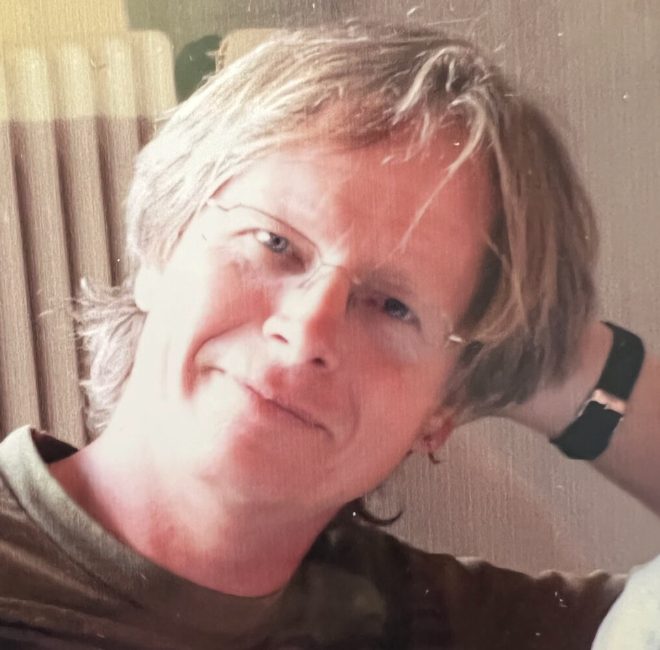
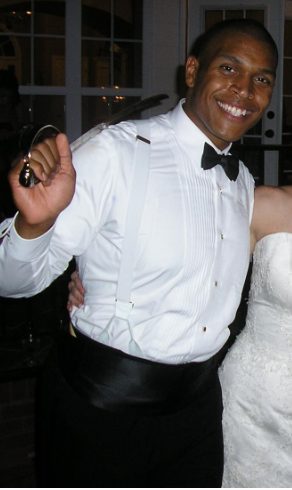
Founder and Executive Director, and self-titled Chief Fun Officer.
Jared is a digital health and addiction therapist who has spent his career studying how people get hooked, and how they get free. He is also a certified MovNat trainer, a motivational speaker, a pentathlete, and a martial artist. The common thread through all of it is the body: he believes joy is something you move toward, not something you scroll into.
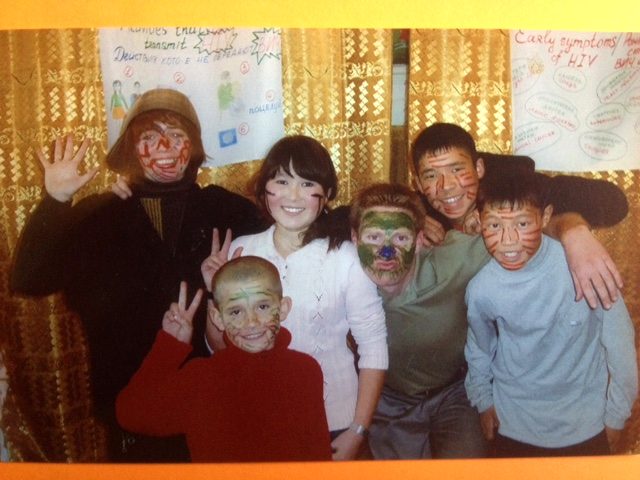
He served twice in the Peace Corps. In the Kyrgyz Republic from 2009 to 2011 he was the director of health and happiness at an orphanage, teaching through play and experience. In 2017 he served again in Guatemala. Between postings he volunteered on organic farms across Southeast Asia, where he bonded with people through work and play long before he shared a language with them. Everywhere he went, the same lesson kept showing up: joy is not a luxury. It is a skill set communities can learn together.
He wrote a happiness booklet, "The 10 Habits of a Joyful Life and the Life Skills to Attain Them," which is the heart of everything we teach. The foundation grew out of one simple question: what if we taught those habits to the people who need them most, and made the learning genuinely fun?
When Jared came home to the United States in 2011, after years overseas living shoulder to shoulder with people who had almost nothing and laughed constantly, the first thing he noticed was the quiet. He looked around a crowded transit car and counted: roughly 60% of the people were ignoring one another, faces lit by a screen.
"Something felt innately unhealthy and sad about it," he says. Today, when he looks around that same car, it is closer to 90%. That gap, between the warmth he had just left and the isolation he came home to, became the work of his life.
He wanted to remind people of something simple and easy to forget: our greatest joys come from other people, not a screen.
Youth happiness in the US has fallen sharply since 2012, the year smartphones crossed half the US population.
It was not a coincidence. As screens took over, time spent with friends in person, sleep, exercise, self-esteem, and well-being all declined. At the same time, anxiety, depression, suicide, and loneliness rose sharply, in some cases quadrupling from 2012 to 2019.
The deeper picture is just as stark: 74% of deaths worldwide are lifestyle related (World Health Organization). So much of what hurts us is downstream of how we live, day to day. That is heavy news, but it carries a quiet kind of hope. If habits got us here, better habits can carry us out.
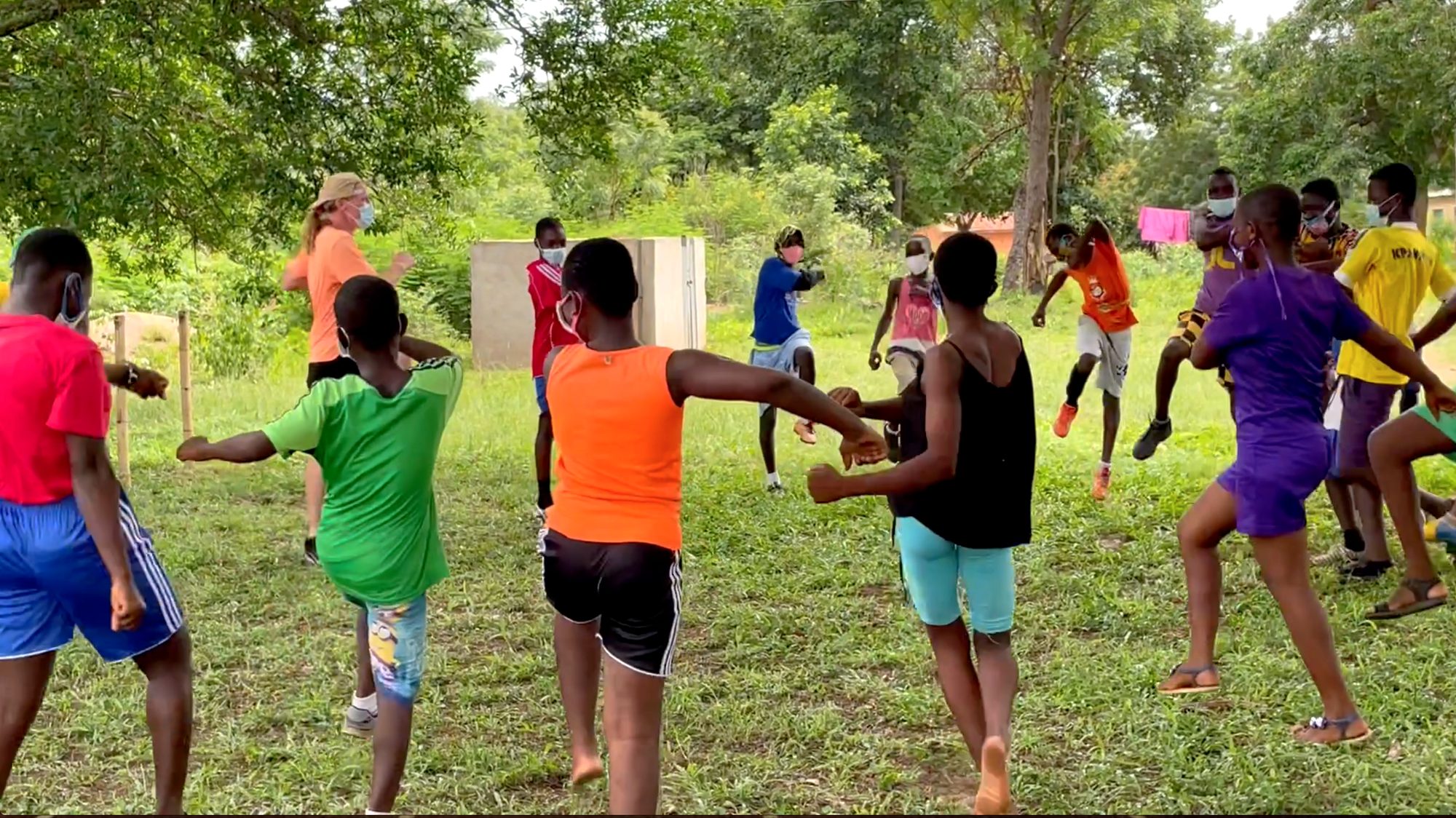
We carry the same belief everywhere: a single joyful classroom can change a child's whole life. Since 2018, our Play Pilgrimages have brought play-based teacher training to schools and orphanages across five countries, reaching over 20,000 kids.
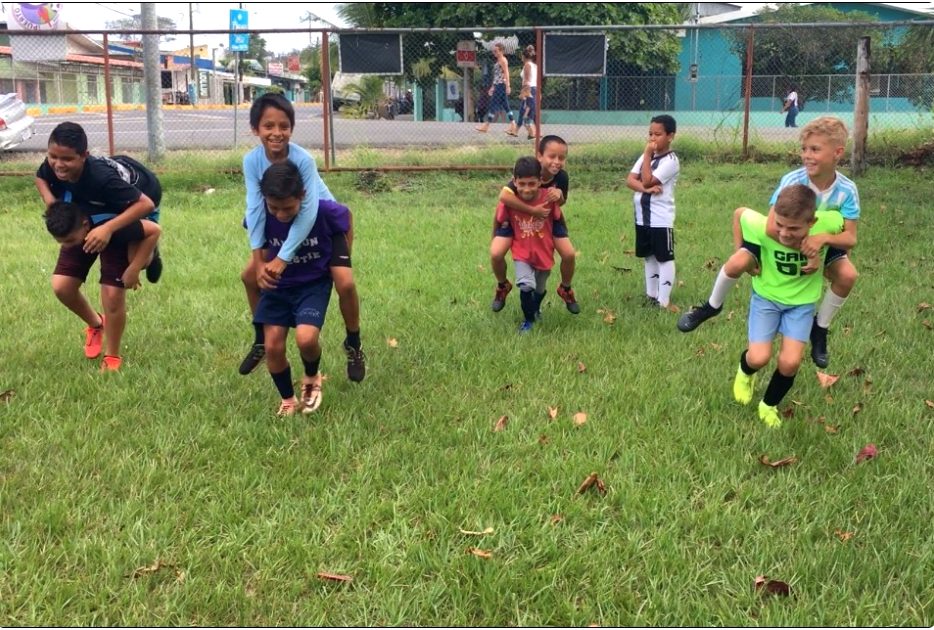
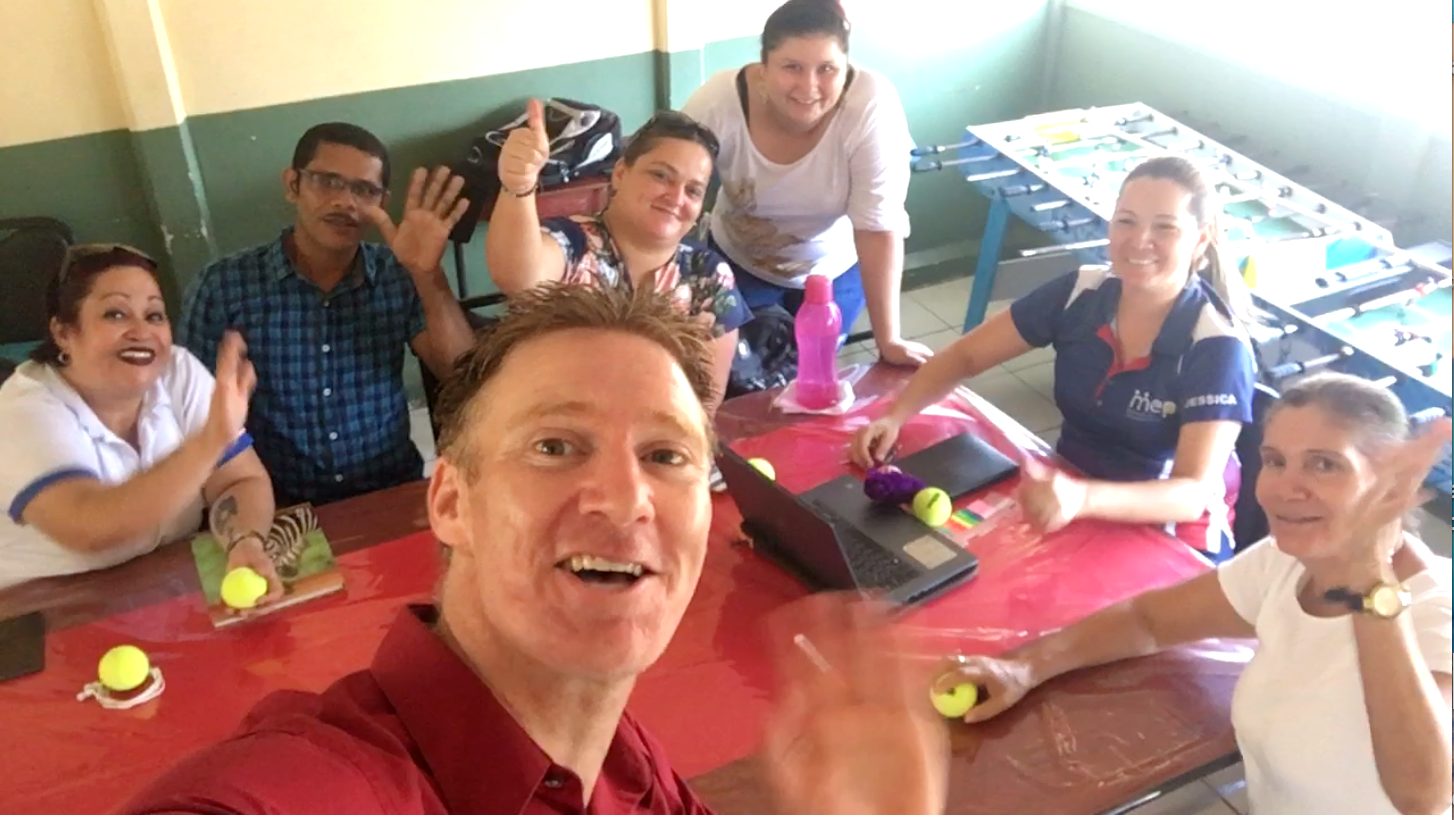
Our Play Pilgrimages have reached the Kyrgyz Republic, Costa Rica, Ghana, Mexico, and Guatemala. The model is the same everywhere we go. We do not just play with kids for an afternoon and leave. We train the teachers who stay, so the joy keeps going long after we fly home.
It is the most efficient kind of giving we know. Train one teacher, and you reach every class they teach for the rest of their career.
See how we work →Screens hand them out cheaply and leave the brain drained. We teach people to earn them naturally.
Earned by pursuing goals.
Earned through real friendship.
Earned in sunlight and gratitude.
Earned by moving and laughing.
Using play-based education, we train teachers to make the classroom a fun place that fosters friendship.
We help teachers teach what school usually skips: mental health, happiness, the effects of screen entertainment, and social-emotional intelligence. The program runs in schools and orphanages, including in developing countries and economically disadvantaged areas, the places where a single joyful classroom can change everything.
The same ten habits Jared wrote down in his booklet, the backbone of everything we teach.
These habits are the backbone of everything we teach. Read the full booklet in the Play Library →
Good habits are easier to keep when you have the tools to live them.
Also called "A Language of Life," based on Nonviolent Communication. A gentle, honest way to ask for what you need and truly hear what others need too.
A simple, unintimidating on-ramp to a calmer mind. Practical practices anyone can start today, no incense or special cushion required.
Four small promises to yourself that quietly change how you move through the world. Less drama, more peace, more room for joy.
Much of what we teach, we learned from people we loved and lost. Their lessons live on in every Play Pilgrimage.
Tom loved and was fascinated by people. He taught me the importance of community and that our greatest moments of joy come from our relationships with others. This is one of the most important lessons we teach during these Play Pilgrimages and why Tom's spirit lives on through our work.
I served in the Peace Corps with Alex. We both served at orphanages. He was one of the most positive people I've ever known. We would brainstorm ways to help others be positive. Alex lives on through the work of A Primally Playful Foundation; we teach what he embodied.
Greg was a good friend and professional mentor. He taught me to have people experience whatever I am trying to teach. He, more than anyone, inspired our pedagogy revolving around experiential learning, and I know he's there with us as we're teaching these workshops.
The difference between sustainable happiness and addiction is simply how you get your DOSE.
Sponsor a teacher in a classroom that needs one, or start with the ten habits yourself.